


Page 23 - Demo
P. 23
   IT IS THE END OF ONE-WAY MESSAGING Impact branding, as the name suggests, means that brands must conduct themselves in ways that make a longer-lasting impact on all stakeholders. The most obvious
such stakeholders are employees, customers,
the broader communities in which they operate
and the environment. It also indicates that brands should benchmark their impact in these areas against what has already been systematised and measured in the push
for greater sustainability. They should no longer be driven solely by the hunger to grow and expand their footprint while they neglect the fundamental needs and rights of the markets they have already gained, or the communities that supply them with labour and other resources.
Only brands that appreciate the need for more impactful brand engagement stand a chance to leave far more lasting legacies after they cease to exist, should it come to that, than those driven only by the need to satisfy narrow shareholder interests.
Taking such a broader stakeholder approach
also means that brand communication cannot consist of one-way messages. It will have to do a lot more to fully embrace the importance of consumer tastes, preferences and rights. This, in turn, requires investing in the collection
of customer insights to guide all manner of brand engagements. Impact branding also implies that the relationship between brands and their stakeholders goes far beyond the exchange of products, services and
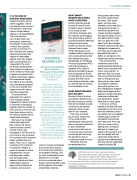
FOR YOUR READING LIST
Disruption Amplified: Reset. Rewire. Reimagine Everything by Abdullah Verachia (Tracey McDonald Publishers)
‘I am aware that not everything I postulate might pan out,’ writes Abdullah Verachia in the introduction to this book, which he wrote in the midst of the pandemic when nothing was certain. He therefore presents different scenarios for each chapter. Ultimately, though, his call is to use Covid-19, the greatest disruptor of all, to lay the foundation for a better future. Verachia is a strategist and futurist, and programme director for the Harvard/ GIBS Senior Executive Programme for Africa.
cash to include sustainable environmental protection and community building in its broadest meaning, and its most measurable sense. Brands can no longer
only be concerned about advancing shareholder value at the expense of broader stakeholder interests.
WHAT SMART
BRANDS DID DURING HARD LOCKDOWN
Smart corporate brands around the world found impactful ways to remain
in the minds of their customers, followers and the markets by leveraging their good names without pushing traditional offerings. Giorgio Armani made aprons for doctors; Gucci designed face masks; Ferrari developed much- needed medical respirators, and several airlines turned their planes into cargo transporters for Protective Personal Equipment (PPE) and other emergency supplies. DHL used its planes to provide the same kind of assistance. Some, like Old Mutual, announced publicly that their senior executives would take a pay cut and donate the money to the Solidarity Fund.
WHAT SMART BRANDS WILL DO NEXT
Moving further into what
is popularly referred to as the new economy, brands that demonstrated a social conscience during hard lockdown have a head start for two reasons.
First, they remained
top of mind, visible and
in the minds of their stakeholders during a time when it seemed insensitive to push traditional products and services to consumers who were only concerned with surviving the pandemic and an uncertain economic future.
Secondly, they will be remembered for
wealthSPACE branding having been there when
the world needed them
the most. Their brand
equity will have been boosted, cushioning them with generous levels of consumer goodwill and market standing. Despite the second wave of Covid and talk of a third, there now is a glimmer of life
after Covid. Such brands therefore must be smart and strategically measured in how they use the goodwill generated last year to
buffer an emergence into heightened impact branding.
Few will deny that lockdowns around the world presented traditional brand communicators with a fine ‘covinundrum’ to deal with. But only those who would have had their ears on the ground and their eyes on new media consumption patterns during this period, and who managed to integrate digital while aligning their approach to fast-changing consumer preferences and sentiments, should have little to worry about.
In the end, winning brands are those that have mastered the art of moving from old markets to chart new paths into uncontested market space where old competitors would lose their relevance, the ones who can move on from fighting over contested demand to create and capture new demand, and who can break with old value/cost-trade-offs to pursue brand differentiation and low cost by integrating impact branding. M
  Solly Moeng is a brand communications management expert and freelance columnist. He is the founder of DonValley Reputation Managers and The Africa Brand Summit, which
he convenes annually, and developed the term impact branding together with Capital Communications in Budapest, Hungary.
  ISSUE 1 2021 | 21
PHOTOS: GALLO IMAGES/GETTYIMAGES AND SUPPLIED


